
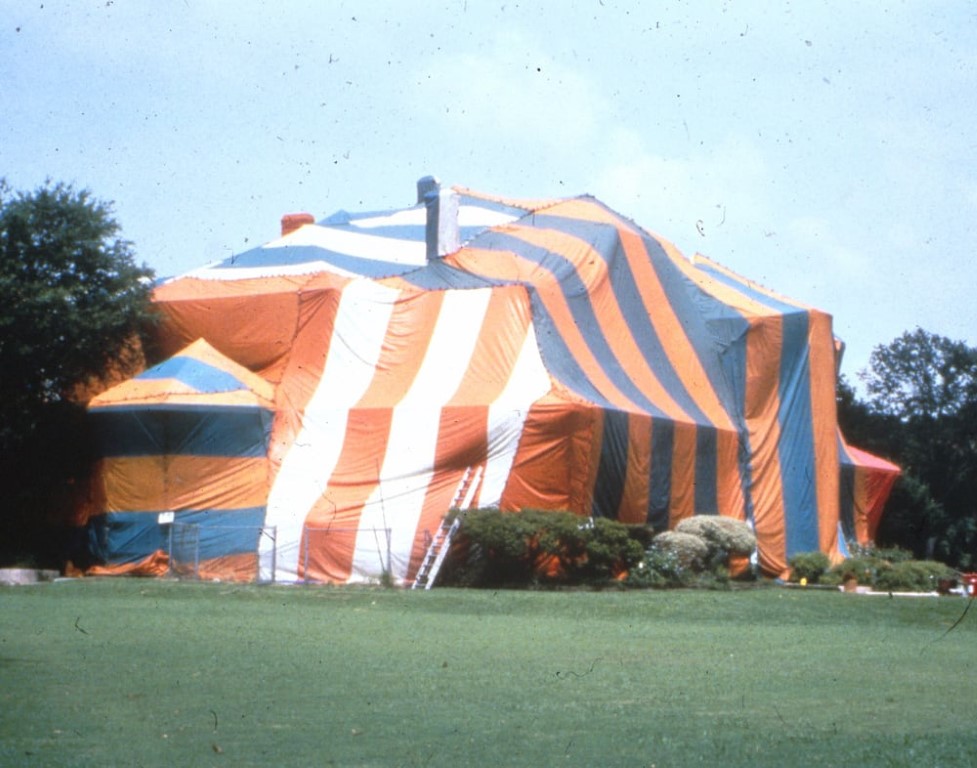
Orange County has no shortage of termite companies, but many of them lead with the same recommendation. If a homeowner hears the word termites, the next sentence often includes tent fumigation, as if it’s the only serious option.
That default approach isn’t always wrong. It’s just not always necessary, and in a lot of homes it’s also the most disruptive path you can take.
The Last Resort Approach To Termites
Fumigation has become the go-to because it’s comprehensive, straightforward to explain, and profitable. It treats the structure as a sealed container and lets a gaseous termiticide reach places no one can see, which makes it a clean solution on paper.
In real life, tenting comes with a checklist that can feel like moving out. Homeowners may need to vacate for up to 72 hours, remove food and medication, make plans for pets, and live with the neighborhood optics of a tented house.
For some households, that disruption is more than an inconvenience. If you have health sensitivities, elderly family members, pets that don’t transition easily, or a property that can’t be vacated cleanly, the question becomes less about preference and more about practicality.
This is where a “last resort” philosophy changes the entire decision tree. Natural Science Exterminating has served Orange County since 1983 using environmentally conscious methods, and their core differentiator is that they treat fumigation as the final option, not the first one.
The point is not to avoid fumigation at all costs. The point is to begin with assessment and determine whether a targeted, low-toxicity approach can resolve the problem without turning your home into a project.
Orange Oil Spot Treatment
Orange oil is the most commonly talked-about non-toxic termite treatment in Orange County, and for good reason. When it’s used correctly, it’s a very effective tool for a specific type of infestation.
The active ingredient is d-limonene, derived from orange rinds, and it kills drywood termites on contact by dissolving their exoskeletons. It also destroys eggs, which matters because eliminating the next generation is part of ending the cycle, not just quieting it down.

In practice, the treatment involves drilling small access holes in the infested wood and injecting the oil directly into the affected area. The appeal for homeowners is straightforward, because there’s no tenting, no evacuation, and no lingering chemical residue that changes how the home feels afterward.
This is where inspections matter, because orange oil works best when the colony’s location can be identified and reached. Natural Science’s own customer story captures the value of that approach, where another company recommended full tenting and their inspection determined the home only needed localized spot treatments.
It’s also where the limitations need to be stated clearly. Orange oil only kills what it touches, so if termites are active in inaccessible voids or undetected areas, those colonies will survive.
The residual effect is short, roughly three to eight days, which means it’s not a protective layer you apply once and forget. Multiple treatments may be required, it doesn’t prevent future infestations, and it does not address subterranean termites because those colonies live underground and can’t be reached through wood injection.
Orange oil works when it matches the problem. It stops working when it’s treated like a universal substitute for every termite scenario.
Bora-Care And The Case For Prevention
If orange oil is the targeted tool for the right drywood situation, Bora-Care is the design-minded option that fits how homes actually change over time. It’s most valuable when a homeowner has access to raw or untreated wood and wants long-term protection built into the structure.
Bora-Care is an EPA-registered borate salt solution that penetrates wood and makes it toxic to termites by disrupting their ability to digest cellulose. It works against both drywood and subterranean termites, and it also addresses other wood-destroying insects and certain decay fungi, which makes it a broader wood-preservation layer rather than a narrow fix.
From a home design perspective, the best time to apply it is when framing is exposed. Remodels, additions, and new construction create a rare window where the wood you actually care about can be treated before it disappears behind drywall and finishes.
That’s also why Bora-Care is best understood as prevention and long-term protection rather than a cure-all for an active, widespread infestation. It requires access to the wood to apply it effectively, it can leach in high-moisture environments, and it’s not the solution for a home where termites are established deep within structural members that can’t be reached without opening things up.
When it’s applied in the right context, borate protection can last for decades. For homeowners who plan to stay in their homes, or for anyone doing a meaningful remodel, that long horizon is where the value becomes obvious.
When Fumigation Actually Is The Right Answer
The most honest thing to say about fumigation is that it works. When a drywood infestation is widespread, when termites have spread into multiple inaccessible areas, or when the structure has enough hidden voids that spot treatment becomes guesswork, fumigation may be the only reliable method that clears the entire colony, including eggs.
This is where homeowners get frustrated with the industry, because some companies recommend tenting even when the inspection evidence doesn’t justify it. Natural Science’s position is that they exhaust the non-toxic alternatives first, then recommend fumigation only when the inspection shows those alternatives won’t reach the problem.
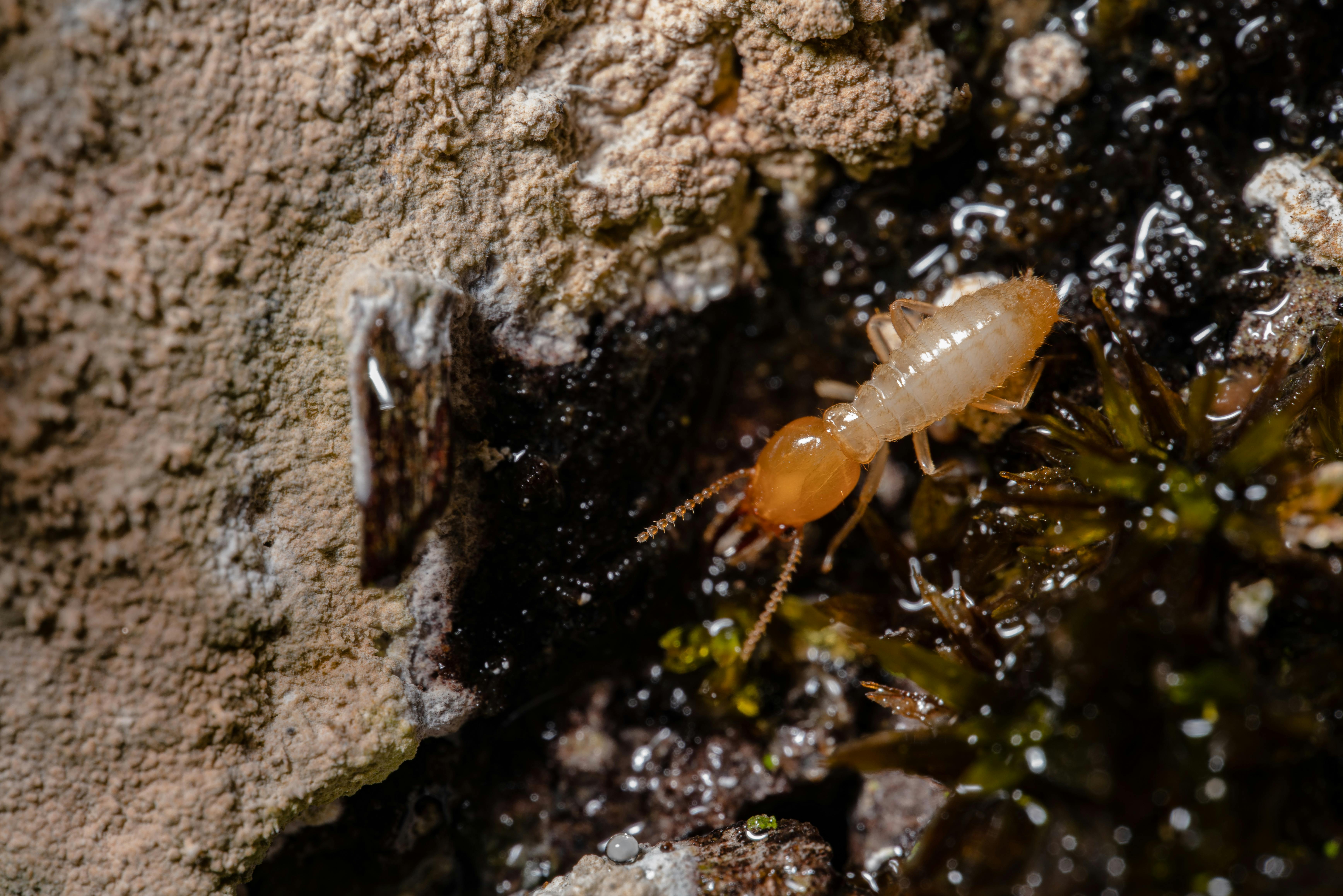
That stance has real-world proof behind it, not just marketing language. Their case work includes a Huntington Beach apartment complex where the HOA requested a no-tent approach, and a Newport Beach Department of Fish and Wildlife job where fumigation wasn’t viable because of wildlife in rehabilitation.
Those examples matter because they show the non-toxic approach operating under strict constraints, where the solution had to be targeted, careful, and effective. They also reinforce the underlying theme that the right method depends on what the home actually needs, not on the easiest pitch.
The Inspection Is The Real Decision Point
If you take one idea away from the natural termite killer conversation, it should be that treatment starts with inspection, not a predetermined plan. The only way to know whether orange oil spot treatment, borate protection, or fumigation makes sense is to understand what type of termites you have, where they’re active, and how accessible the affected wood actually is.
Natural Science Exterminating offers free termite inspections where licensed technicians check attics, crawl spaces, subareas, and garages for drywood and subterranean termites, as well as fungus and dry rot. After the inspection, homeowners receive a detailed report with findings and treatment options matched to the real conditions of the property.
Before you agree to tent your home, it’s worth getting a second opinion from a company that treats fumigation as the last resort. In Orange County, the best non-toxic termite treatment is the one that fits your house, your health priorities, and the actual scope of the problem.
Natural Science Exterminating
+17146274048
11642 Knott Ave, Garden Grove, CA 92841


